How to Care for Cane Furniture: A Complete Guide
Cane furniture has a timeless quality that makes a house feel more like a home. Its natural texture, delicate woven details and understated beauty bring warmth into a space without overwhelming it. Whether it is a statement chair in a quiet corner, a dining set shared with family or a beautiful accent piece in the living room, cane furniture is designed to be lived with and enjoyed.
Knowing how to care for cane furniture is an important part of preserving its beauty. With regular cleaning, thoughtful placement and a little everyday attention, you can help your furniture remain beautiful and functional for years to come.
At Mo’s Crib, we believe that the pieces we bring into our homes should be appreciated for their craftsmanship, character and lasting appeal. Caring for natural materials is one way to embrace a more considered approach to living, allowing the things we love to remain part of our homes for longer.
Why Cane Furniture Needs Special Care
Cane is valued for its natural appearance, lightweight structure and distinctive woven texture. It brings an organic quality to interiors, complementing everything from contemporary spaces to more relaxed, layered homes.
However, natural cane can respond to its surroundings. Prolonged exposure to direct sunlight, excessive moisture and very dry conditions may affect its appearance and flexibility over time. The woven sections can also collect dust in their small openings, making gentle, regular cleaning particularly important.
Understanding these characteristics makes cane furniture maintenance much simpler. Rather than relying on intensive cleaning or specialised treatments, the best approach is usually to keep your furniture clean, protect it from harsh conditions and address small issues before they become larger problems.
How to Clean Cane Furniture
One of the simplest ways to keep cane furniture looking its best is to establish a gentle cleaning routine. Regular care helps prevent dust and dirt from settling into the weave, reducing the need for more intensive cleaning later.
1. Dust Your Cane Furniture Regularly
Dust can accumulate between the woven strands, particularly on chair backs, seat panels and decorative details. Use a soft cloth, feather duster or clean, soft brush to remove dust from the surface.
For tighter spaces, a vacuum cleaner with a soft brush attachment can help lift debris from the weave. Use a gentle setting and avoid pressing the attachment too firmly against the cane.
Depending on how frequently you use your furniture, a weekly dusting routine is a good starting point. Furniture in busy living areas may need more frequent attention.
2. Use a Gentle Cleaning Method
When ordinary dusting is not enough, wipe the cane with a soft cloth that has been lightly dampened with water. Work gently along the weave, taking care not to saturate the material.
Avoid soaking cane furniture or allowing water to collect between the strands. Excessive moisture can contribute to deterioration, particularly if the furniture does not dry properly.
If you need to use a cleaning product, choose a mild option that is suitable for the particular finish and material. Test it on a small, inconspicuous area first and follow the manufacturer's care instructions.
After cleaning, allow the furniture to dry completely in a well ventilated area before using it again.
3. Pay Attention to the Frame and Cushions
Cane furniture often combines woven sections with wooden or other structural elements, while some designs also include removable cushions.
Each material may require a different cleaning method. Wipe the frame with a soft cloth appropriate for its finish, and follow the care instructions provided for upholstered cushions.
Avoid assuming that every part of a piece of furniture can be cleaned in the same way. Treating each material according to its needs helps preserve the overall appearance and condition of the piece.
How to Protect Cane Furniture From Sunlight and Moisture
Where you place your furniture can make a meaningful difference to how well it ages. Natural materials respond to changes in their environment, so thoughtful positioning is an important part of caring for cane furniture.
Keep Furniture Away From Prolonged Direct Sunlight
Natural sunlight can be beautiful in a home, illuminating textures and bringing out the warmth of natural materials. However, prolonged direct exposure may cause some cane furniture finishes and fibres to fade, dry out or become more brittle.
Where possible, position your furniture away from intense afternoon sunlight. If a favourite chair sits near a sunny window, consider using curtains or blinds to soften the light during the brightest parts of the day.
Rotating smaller furniture pieces occasionally can also help reduce uneven fading.
Avoid Excessive Moisture
Although cane has natural flexibility, it should not be left persistently wet. Avoid placing indoor cane furniture where rain can reach it, and clean up spills promptly.
If your furniture becomes damp, allow it to dry naturally in a sheltered, well ventilated space. Avoid using intense heat to speed up the drying process, as sudden changes in temperature can affect natural materials.
For outdoor cane furniture, always check whether the specific piece is designed for outdoor use. Materials and finishes vary, and not every cane design is suitable for exposure to the elements.
Maintain a Balanced Indoor Environment
Extremely dry conditions may contribute to brittleness, while excessive humidity can encourage mould or mildew if moisture becomes trapped.
Good ventilation and a reasonably stable indoor environment can help maintain the condition of natural cane. If you notice an unusual smell, dark patches or signs of mould, address the underlying moisture problem rather than simply wiping the surface and covering it up.
Cane Furniture Maintenance Tips for Everyday Living
Caring for cane furniture does not have to be complicated. A few mindful habits can help protect its structure and keep it looking beautiful.
Use furniture as intended. Avoid placing excessive weight on woven panels, chair arms or decorative sections that are not designed to support it. Follow the manufacturer's weight limits and usage guidance.
Lift rather than drag. When moving furniture, lift it where practical instead of pulling it across the floor. This helps protect the legs, joints and frame from unnecessary strain.
Check the weave occasionally. Look for loose strands, fraying or changes in the shape of woven sections. Addressing small issues early may prevent further damage. Avoid pulling or trimming loose strands yourself if doing so could compromise the weave.
Keep cushions clean and dry. Cushions can protect seating surfaces from everyday wear, but trapped moisture and spills should be dealt with promptly. Follow the recommended care instructions for their fabric.
Choose suitable storage. If you need to store cane furniture, keep it in a dry, well ventilated environment and protect it from dust without wrapping it in a way that traps moisture.
These small habits help make furniture care part of everyday living rather than a task reserved for when something goes wrong.
Common Cane Furniture Care Mistakes to Avoid
Sometimes, preserving natural materials is just as much about knowing what not to do.
Avoid soaking cane in water, using abrasive brushes or applying harsh cleaning chemicals that may damage the finish or fibres. Steam cleaning is also best avoided unless the manufacturer specifically confirms that it is suitable for your furniture.
Another common mistake is applying oil, polish or conditioning products without checking whether they are appropriate for the particular material and finish. Not all cane furniture requires the same treatment, and unsuitable products may leave residue or alter its appearance.
Finally, do not ignore loose weaving, creaking joints or noticeable structural changes. These may indicate that the furniture needs attention. Consult the manufacturer or a furniture repair professional when the damage affects stability or the integrity of the weave.
The guiding principle is simple: gentle, consistent care is usually better than aggressive cleaning or unnecessary treatments.
How to Style Cane Furniture in a Beautiful Home
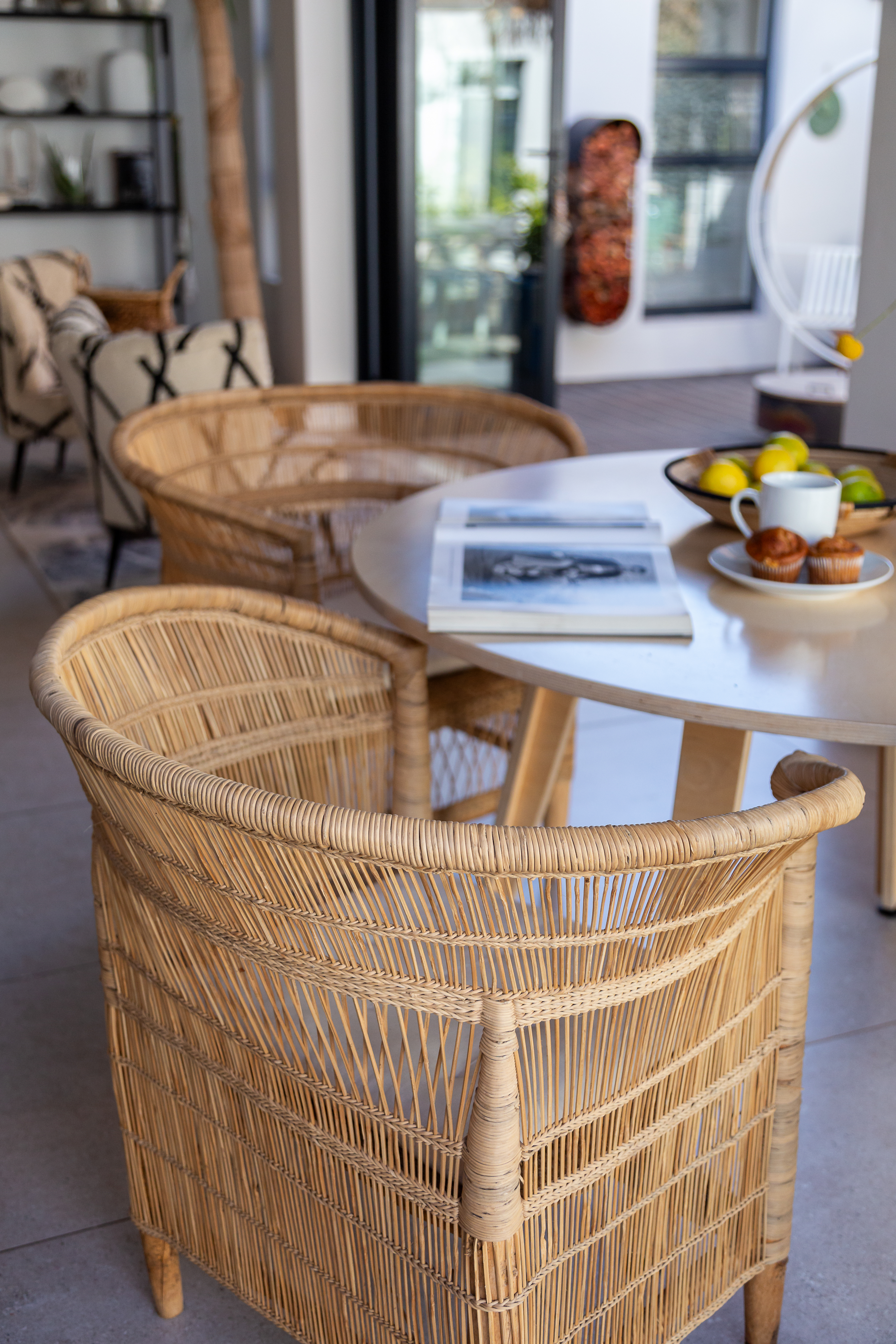
One of the pleasures of owning cane furniture is its versatility. Its natural texture creates a sense of ease, making it equally at home in a relaxed living room, a thoughtfully styled bedroom or a light filled dining area.
In a living room, a cane chair can introduce warmth alongside upholstered seating, timber furniture and soft textiles. In a bedroom, a woven accent piece can soften clean lines and create a more inviting atmosphere. For dining spaces, cane chairs bring texture and visual interest without making the room feel heavy.
Consider pairing cane with linen, cotton, natural wood, greenery and other tactile materials. These combinations create depth through subtle differences in texture rather than relying on decoration alone.
For more inspiration, explore our article on the quiet power of texture in a home. It offers further ideas for creating a considered interior through the materials and objects we choose to live with.
You can also explore the Kulala Cane Collection to discover cane furniture and homeware that can bring natural character into your space.
Caring for Cane Furniture for Years to Come
Beautiful furniture becomes part of the rhythm of a home. It holds everyday moments, welcomes visitors and gradually becomes familiar in a way that extends beyond its original purpose.
Cane furniture offers a particular kind of beauty because of its natural texture and craftsmanship. With regular dusting, gentle cleaning, sensible placement and attention to small signs of wear, you can help preserve that beauty for longer.
At Mo’s Crib, we believe that thoughtful living begins with appreciating what we already have. Looking after the furniture and homeware we love is a simple but meaningful way to make more considered choices in our everyday lives.
If you are looking for more inspiration, discover our approach to sustainable home décor and explore more ideas on the Mo’s Crib blog.
Because sometimes, the most beautiful homes are not the ones that constantly change, but the ones where the things we love are cared for, appreciated and enjoyed for years to come.