Some rooms catch your attention because of colour. Others because of beautiful furniture, art or scale. But often, the spaces that make you want to stay a little longer have something quieter happening: texture. Texture is what gives a home depth. It is the contrast between a smooth tabletop and a woven basket, the softness of fabric beside natural fibres, the character of wood or the detail you notice when something has been made by hand. These small differences invite you to look closer and make a space feel warmer, more layered and lived in. When thinking about texture in a home, the goal is not necessarily to add more things. Sometimes it is simply about becoming more intentional about the materials, finishes and objects already sharing a room.
Why Is Texture Important in Interior Design?
Colour is often one of the first things we notice when entering a room, but texture influences how that room feels.
A space filled with similar smooth surfaces can sometimes feel flat, even when everything in it is beautiful. Introduce something woven, something soft, something natural or something with an imperfect surface, and suddenly there is contrast.
That contrast gives the eye somewhere to travel.
This is one of the reasons texture in interior design can be so powerful. It does not always demand attention in the way a bold colour or statement piece might. Instead, it works quietly in the background, bringing different elements of a room together and creating a sense of warmth.
Natural Textures Bring Warmth Into a Home
There is something about natural textures that immediately softens a space.
Woven fibres, wood, greenery and other organic materials bring subtle variation with them. Their surfaces are not always completely uniform, and that character is part of what makes them interesting to live with.
At Mo’s Crib, materials and craftsmanship form an important part of our visual language. We draw inspiration from natural fibres, earthy textures and the materials found throughout our collections, while still leaving room for colour and expression.
That same thinking can be brought into the home. A room does not need to feel rustic or entirely neutral to make space for natural materials. They can sit comfortably alongside contemporary furniture, bright colour, artwork and pieces collected over time.
The beauty is often in the contrast.
The Beauty of Woven Texture
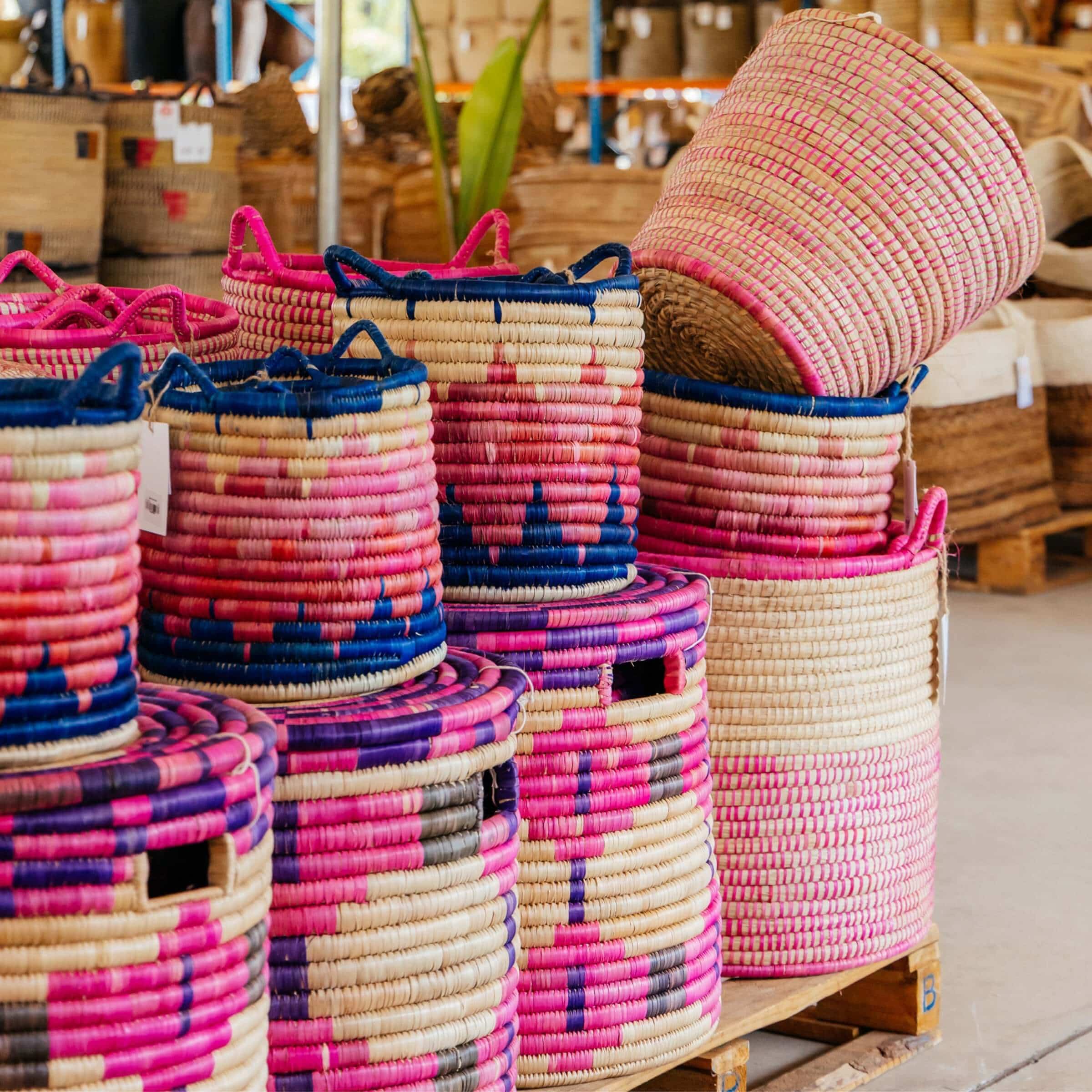
Woven pieces have a particularly interesting relationship with texture because the construction of the piece becomes part of its appearance.
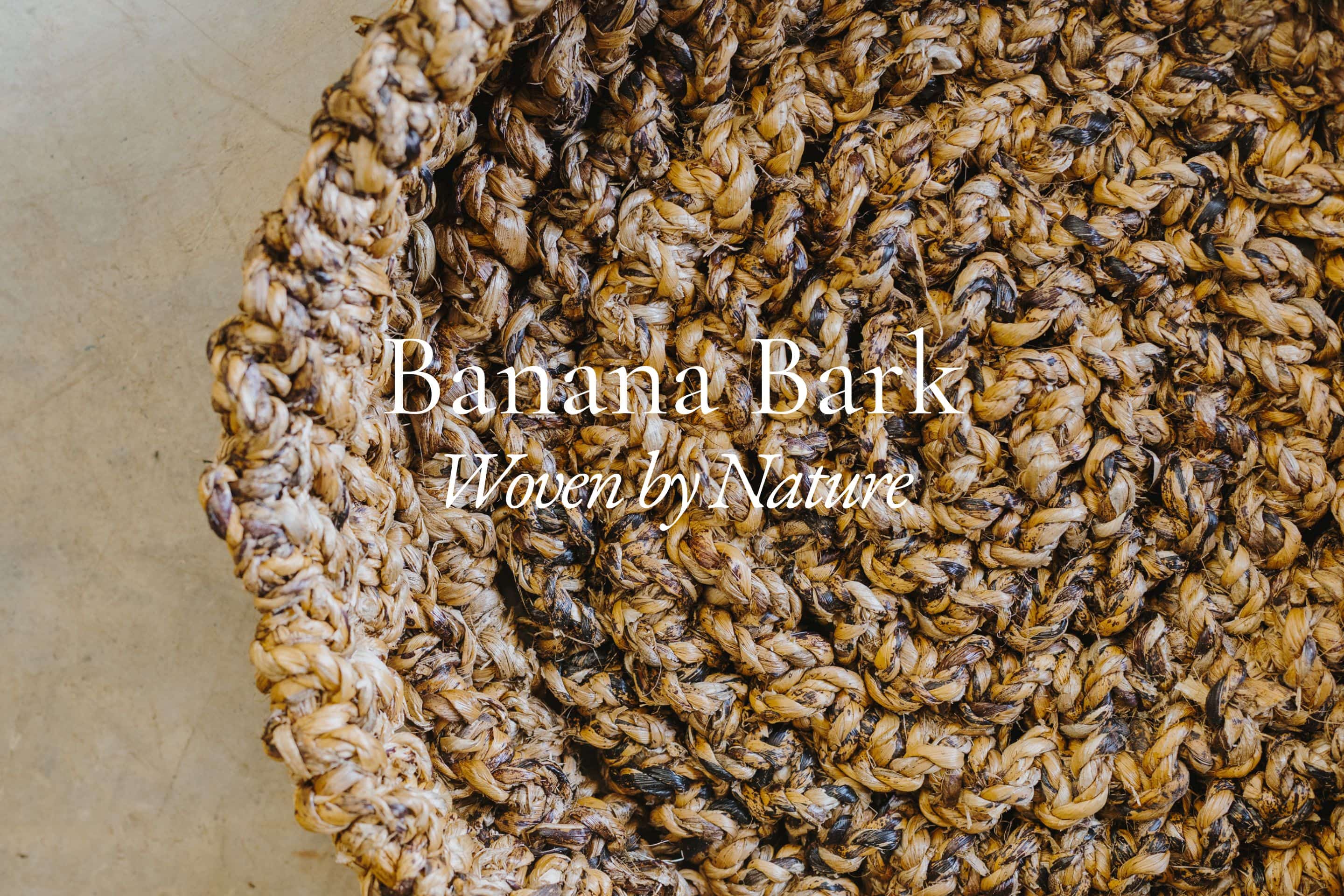
Look closely at a woven basket and there is more to notice than its overall shape. There are lines, patterns, fibres, changes in direction and small details created through the making process.
From further away, the basket may simply add shape or colour to a room. Up close, its construction becomes part of the story.
This is why woven textures work beautifully throughout a home. A basket beside a sofa, a woven planter against greenery or a textured piece in an otherwise quiet corner can introduce detail without overwhelming the space.
It is decoration you can also experience through touch.
How to Layer Texture Without Making a Room Feel Busy
Adding texture does not mean filling every surface.
In fact, texture often works best when there is enough space around it to be noticed. Start by looking at the materials already in your room. If most surfaces are smooth and polished, something woven or organic can introduce contrast. If the room already contains plenty of pattern and colour, a quieter natural texture can create balance.
Think in layers rather than individual objects.
A sofa brings one texture. A cushion introduces another. A basket on the floor creates a different surface again, while a plant adds something living and irregular.
None of these elements needs to compete for attention. Together, they make the room feel considered.
Handmade Pieces Invite You to Look Closer
One of the most beautiful things about handcrafted homeware is that it rewards attention.
From a distance, you see the finished object. When you come closer, you begin to notice the construction, the material, the weave and the small variations that give the piece its character.
That appreciation of detail is central to the imagery direction for Mo’s Crib, which calls for close-up details, natural textures, craftsmanship and authentic human moments rather than relying solely on traditional product photography. It is a reminder that beautiful living is not only about how a room photographs. It is also about what you notice when you are actually in it.
Texture Is Something You Can Feel
We often think about decorating as something visual: how colours work together, whether furniture fits the room or what belongs on a particular wall.
But a home is experienced with more than our eyes.
We walk across its surfaces. We sit against its fabrics. We pick things up, move them around and live alongside them every day. Texture brings that physical experience into the way we think about interiors.
It is why some pieces make you instinctively want to reach out and touch them, and why seeing handcrafted objects in person can reveal details that are difficult to understand through a screen.
A More Layered Way of Living
The quiet power of texture in a home is that it rarely needs to announce itself.
It can be found in the woven detail beside the sofa, the natural fibre catching the afternoon light, the contrast between something smooth and something made by hand, or the basket that has quietly moved through several rooms over the years.
Texture encourages us to notice our homes a little differently. Not simply as spaces to decorate, but as places we touch, use, change and live in.
Sometimes creating a more beautiful room does not require adding very much at all.
Sometimes, it simply means looking a little closer.